
FREE sourcing support up to 3%

Eligibility applies to qualified business buyers and is confirmed after we review your product, quantity, destination, and sourcing requirements.

US business buyers · inquiry by form · EN

Battery energy storage systems

bess manufacturers on one project brief

HelioHarbor Sourcing is an independent sourcing partner for US business buyers. The first pass records the application, usable capacity, rated power, and destination before any factory is asked to quote. A family label is not a model, and a brochure is not evidence for the proposed item.

Keep unknowns visible. If chemistry, cycle life basis, DC voltage, or thermal management is still open, say so. The desk does not approve interconnection, does not hold containers, and does not publish a savings figure.

Build a Sourcing Brief

BOM fields still open

  • Storage usable capacity, rated power, chemistry
  • Interface DC voltage, PCS coupling, protocol
  • Site enclosure rating, mounting, ambient range
  • Commercial quantity, US destination, delivery window
Buyer desk with a battery container elevation and an open specification sheet
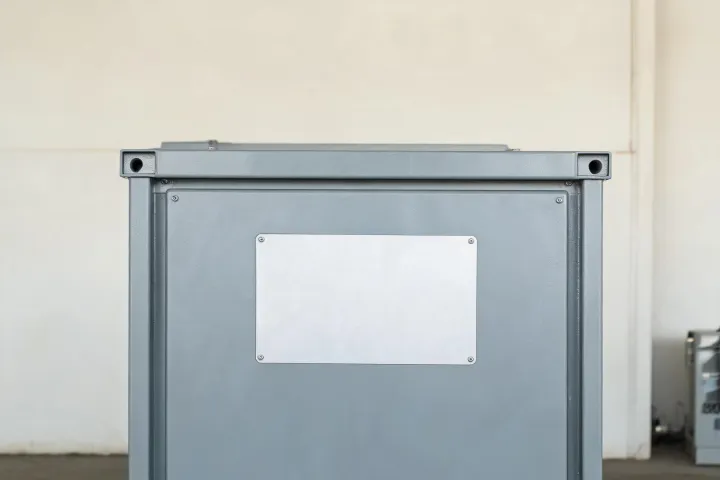
Nameplate area on a containerized battery cabinet during a document review

Lock usable capacity and rated power

Ask each proposed supplier to restate usable capacity in kWh and rated power in kW for the quoted configuration. An illustrative buyer requirement is 500 kWh usable and 250 kW for two hours at 40°C; these are requested conditions, not a tested product rating. The factory must accept, revise, or mark each field open. Name the test basis if you have one, or leave the basis open. Depth of discharge and round-trip efficiency belong on the same line as the capacity figure so two quotations can be read together.

A higher nameplate without a stated usable window is not a larger system. Record whether the figure is at the battery terminals or at the point of interconnection after the power conversion system.
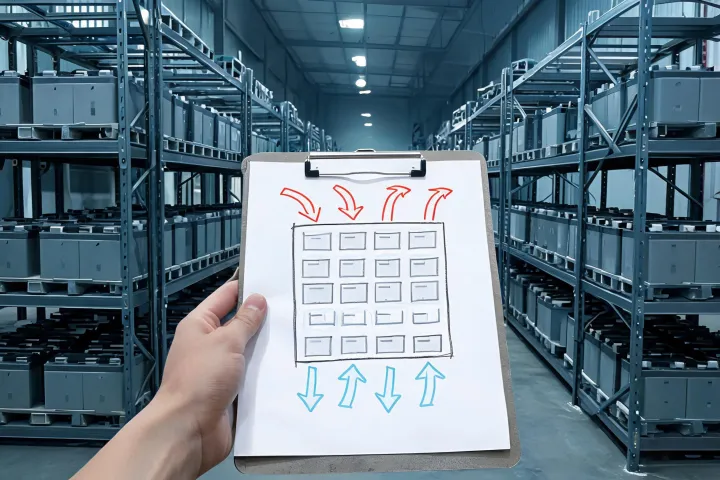

Thermal management schematic beside a battery rack aisle

Chemistry, cycle life, and heat

State the battery chemistry you will accept, or mark it as supplier-proposed. Cycle life needs a basis: depth of discharge, temperature, and the end-of-life capacity definition. Thermal management should say liquid, air, or still undecided, plus the ambient range the enclosure must live in.

The battery management system and the communication protocol are interface questions, not marketing labels. Ask which protocol the quoted model actually speaks, and which drawing shows the terminal layout.

Document stack for datasheets and drawings next to a shipping checklist

Documents and delivered scope

Request the current datasheet and dimensional drawing for the exact proposed model. Where the shipment needs them, ask for the safety listing path, the lithium battery transport test summary, warranty text, and installation limits. Bind each file to the quoted manufacturer and model. A family brochure does not stand in for that file.

Compare freight, accessories, taxes and duties, commissioning boundary, and payment terms before you compare a unit figure. Read the ratings note and then open the inquiry options.

Project contexts for the same equipment family

These cards are procurement situations, not completed jobs. Each one changes the interface questions you send with the brief.

Commercial building

Application: peak reduction or backup behind a building service. Interface: interconnection point and existing switchgear. RFQ unit: container or indoor cabinet count.

Ground-mount pairing

Application: storage beside a PV field. Interface: AC-coupled or DC-coupled path and inverter role. RFQ unit: system lot with PCS called out separately.

Process plant

Application: ride-through or demand control on an industrial feeder. Interface: voltage, phase, and ride-through expectation left as a question. RFQ unit: rated power block.

Fleet depot buffer

Application: charging-yard buffer, not the charger itself. Interface: site power limit and control handoff. RFQ unit: usable energy block plus enclosure rating.

Distributed energy

Application: islanding or grid-support questions for a small network. Interface: grid-forming behavior left for the proposed model to confirm. RFQ unit: one line per cabinet.

Move from a context card to the building-use page or the industrial quote fields when the duty cycle is known. The contact desk is where the brief is sent.

Questions to settle before the RFQ

What must a quotation say about usable capacity?

The quoted model, the usable kWh, the depth of discharge used, and whether the number is at the battery or after conversion. If the supplier uses a different window, the deviation stays on the quotation.

How should rated power be written?

Write kilowatts or megawatts, the duration that power can be held, and the ambient temperature assumed. Continuous and short-duration figures are different lines.

Which files are exact-item evidence?

Datasheet, outline drawing, and any test or listing record that names the quoted model. Match the manufacturer, model suffix, configuration, and document revision; keep a mismatch open for clarification. A catalog page for the family is a starting point, not the evidence file.

What stays unresolved on purpose?

Interconnection approval, structural checks, fire review, and the final control narrative stay with the qualified project team. The desk can list those gaps. It cannot close them.

How do AC-coupled and DC-coupled paths change the brief?

AC-coupled storage can sit beside an existing PV system with its own conversion stage. DC-coupled storage can share a conversion path on a new build. The brief should say which path the site is studying, then ask the supplier to confirm the quoted interface.

Where does an optional budget go?

Add currency and say whether the figure is per system, per kWh, or the whole order. High-end, mid-range, budget, or undecided is your preference, not a grade the desk has verified. Ask each supplier for MOQ, paid sample or pilot availability, and separate manufacturing, document-review, and transit milestones; neither samples nor delivery dates are assumed available.

Send the brief when the fields are named

Include the equipment type, quantity, US destination, and the delivery window you want tested. Optional budget and supplier preference can travel with the same note.

  • Usable capacity and rated power, with units
  • Electrical interface, protocol, and enclosure rating
  • Document list tied to the proposed model
  • Freight and accessory scope called out, not implied